

Te Mātaioho is a local curriculum framework that empowers ākonga who are blind, deafblind or have low vision through values-led, structured learning, building self-determination, essential skills, inclusion, agency and lifelong participation across learning, community and life contexts.
Foreword
Welcome to Te Mātaioho, the BLENNZ Expanded Core Curriculum (ECC). This curriculum represents our call to action – a steadfast commitment to ensuring the voice, needs, and dreams of our ākonga (child) and their whānau (family) are fully realised. Through high-quality learning experiences and the intentional teaching of essential skills, Te Mātaioho is designed to prepare ākonga who are blind, deafblind, or have low vision to flourish in education and participate fully in life. This is our local curriculum; this is our core work at BLENNZ.
At the very heart of this local curriculum is the critical, overarching competency of self-determination. We believe deeply in empowering ākonga to understand their unique strengths, make informed decisions, set personal goals, and advocate effectively for themselves in any environment. This vital skill is not taught in isolation; rather, it is thoughtfully embedded across every domain of learning.
Our work is guided by the core BLENNZ values: Whānaungatanga (belonging), Manaakitanga (respect), Āwhinatanga (empathy), Kotahitanga (unity), and Ako (reciprocal learning). These values create an environment where ākonga can thrive.
Within this framework, you will find detailed, developmental pathways for crucial learning domains, including Access Technologies, Communication, Developmental Orientation and Mobility, Everyday Living Skills, Life Beyond School, Sensory Efficiency, and Social Skills. Each domain progresses through five distinct phases of learning, outlining what ākonga will come to understand, know, and do. This structured, yet holistic, approach provides the agency and skills necessary for ākonga to navigate challenges, access opportunities, and lead meaningful, self-directed lives.
Saul Taylor
Principal
What is the BLENNZ Expanded Core Curriculum?
The BLENNZ Curriculum, Te Mātaioho, is our call to action to ensure ākonga and whānau voice, needs, and dreams are realised. This is done through high quality learning experiences and intentional teaching of skills. BLENNZ Expanded Core Curriculum, Te Mātaioho, prepares ākonga so they can flourish in education and participate in life.
Self-determination
Self-determination is a critical, overarching competency that permeates every aspect of the BLENNZ Expanded Core Curriculum (BLENNZ ECC) for ākonga who are blind, deafblind, or have low vision. It refers to the ability of ākonga to understand their strengths and needs, make informed decisions, set and pursue personal goals, and advocate for themselves in diverse environments. This skill is not taught in isolation; rather, it is embedded across all BLENNZ ECC domains because each area provides opportunities for ākonga to practice choice-making, problem-solving, and self-advocacy. Ultimately, self-determination equips ākonga with the agency to navigate challenges, access opportunities, and lead meaningful, self-directed lives, ensuring that every ākonga is well prepared to achieve in life.
BLENNZ Values through Expanded Core Curriculum
BLENNZ values will immerse ākonga in an environment that enables them to adorn and feather their korowai throughout their learning journey.
Learning Domains
-
Access Technologies
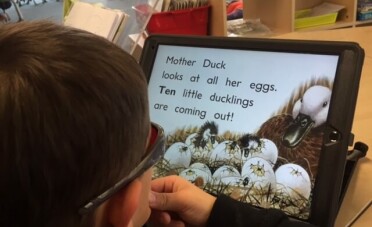
Access technologies empower ākonga who are blind, deafblind or have low vision to participate equally, build confidence and autonomy, develop resilience, self-advocate and collaborate, and succeed across changing educational and life contexts.
-
Communication
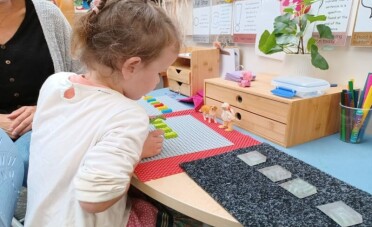
Effective, inclusive communication enables ākonga who are blind, deafblind or have low vision, to connect, learn, and thrive, valuing cultures, languages, accessible formats, empathy, adaptability, and respect across a range of contexts.
-
Developmental Orientation and Mobility
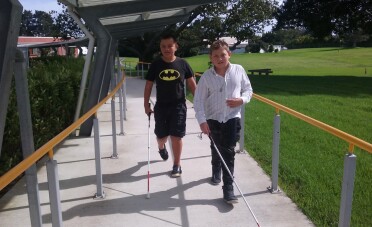
Developmental Orientation and Mobility builds body awareness for ākonga who are blind, deafblind, or have low vision, strengthening spatial understanding through movement, integration, enabling navigation.
-

Everyday Living
Ākonga develop everyday living skills through lifelong practice, building independence, interdependence, wellbeing, and confidence for active participation in meaningful daily, community, and diverse learning contexts.
-
Life Beyond School
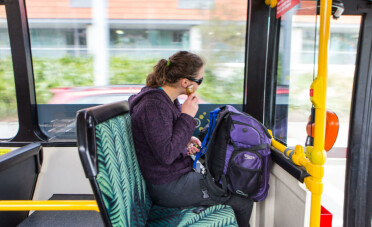
Ākonga who are blind, deafblind or have low vision develop belonging, resilience and self-advocacy to participate beyond school, make choices, advocate accessibility, and contribute positively.
-
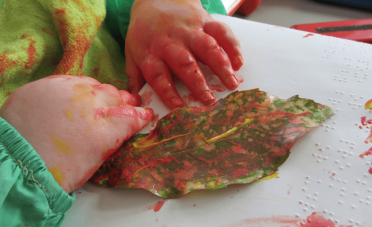
Sensory Efficiency
Sensory efficiency is using all senses, including residual vision and hearing, to gather information, helping ākonga who are blind, deafblind or have low vision navigate.
-
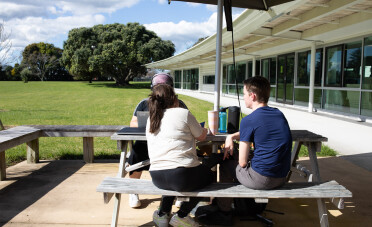
Social Skills
Ākonga who are blind, deafblind or have low vision develop belonging, resilience and self-advocacy to participate beyond school, make choices, advocate accessibility, and contribute positively.